
The most common signs your water heater is going out are rusty or cloudy hot water, rumbling or popping sounds, water around the base, hot water that runs out faster than it used to, and a tank that is around 10 years old or more. One sign alone may only mean the heater needs service, but two or three together usually mean it is time to plan for a new one.
Water heaters rarely fail without warning. In El Paso, our hard water speeds up wear, so it pays to know what to look for before you end up with a cold shower or a flooded garage.
How Long Do Water Heaters Last?
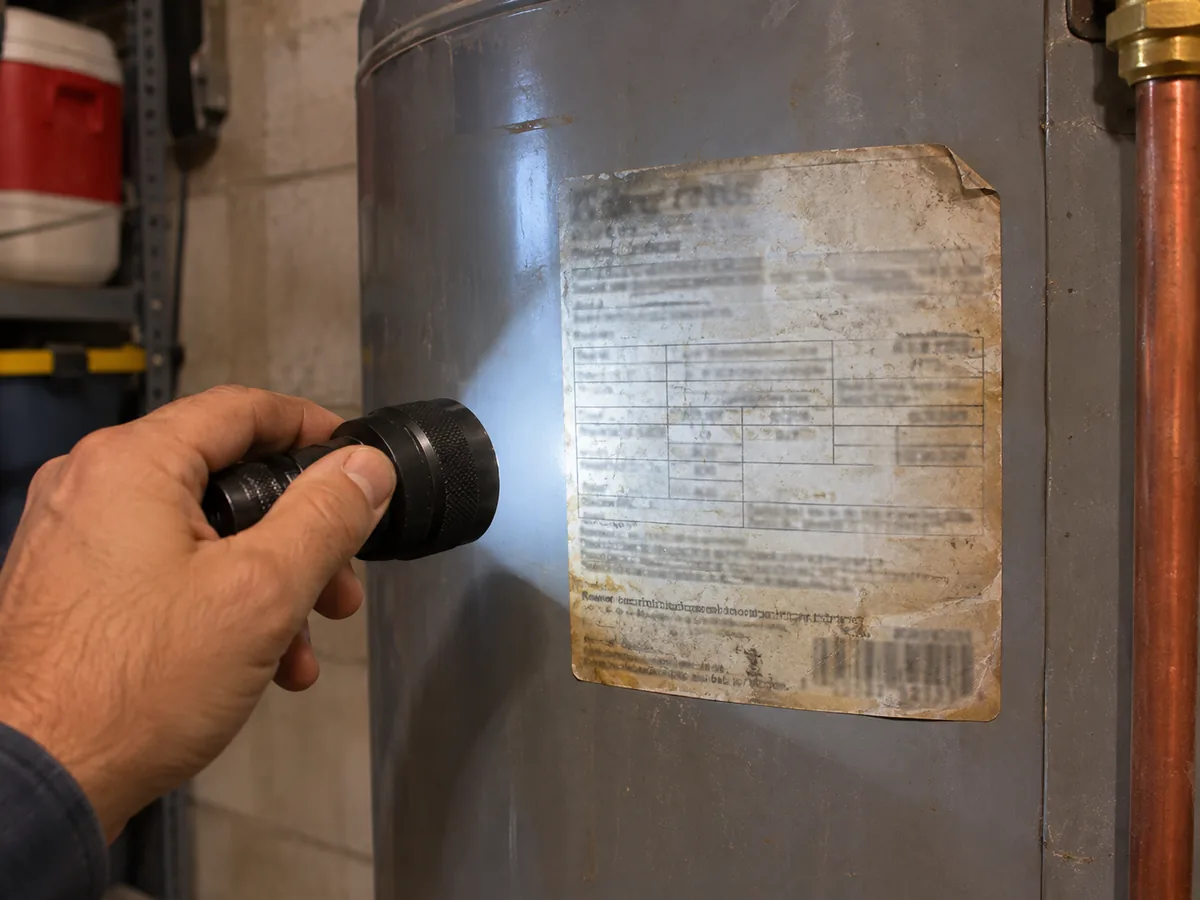
Water heater maker A.O. Smith says a standard tank typically lasts around a decade, and a tankless unit can last up to 20 years with good care. Hard water, high temperature settings and skipped maintenance can shorten those numbers.
To find your heater’s age, look at the label on the side of the tank. The serial number often includes the year and month it was made. If you cannot read it, a plumber can tell you in a minute.
Sign 1: Rusty or Discolored Hot Water
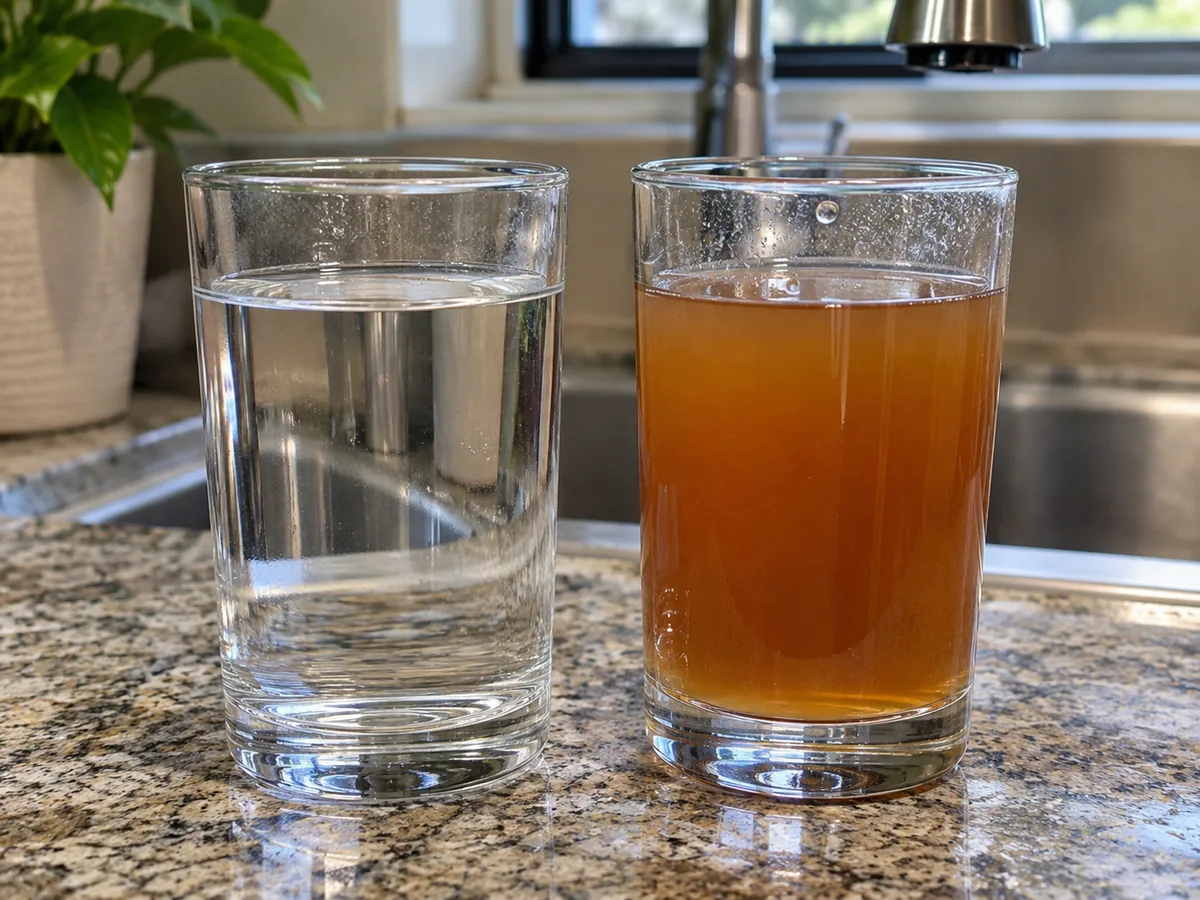
If your hot water comes out brown, red or rusty, but your cold water looks clear, the inside of the tank may be rusting. This often means the anode rod, the part that protects the tank from rust, is worn out.
Rusty water from both hot and cold taps points to old galvanized pipes instead of the water heater.
Is rusty hot water dangerous?
It is not usually a health emergency, but it is a warning. Rust inside the tank means the steel is breaking down, and a leak may follow. Have the anode rod and tank checked soon.
Sign 2: Rumbling, Popping or Banging Sounds
Sediment from hard water settles at the bottom of the tank. Water gets trapped under that layer, and when the burner heats it, it pops and rumbles through the minerals.
El Paso Water describes our water as moderately hard to hard, so sediment builds up faster here. A yearly flush can quiet the noise on a newer tank, as we explain in our guide on how to flush a water heater. On an older tank, loud banging often means the bottom is badly scaled and the tank is near the end.
Sign 3: Water Around the Base
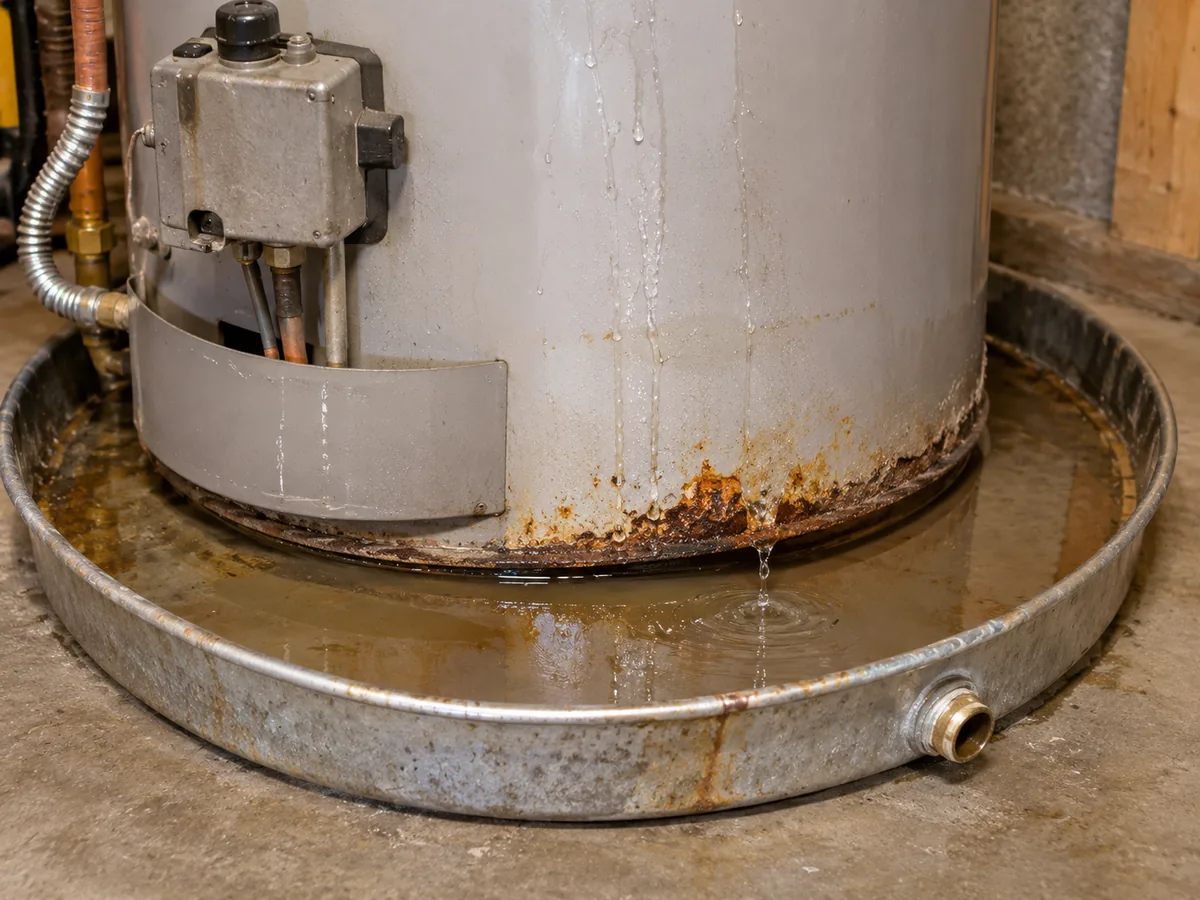
Look for puddles, damp spots or rust stains on the floor under the tank. A small amount of water can come from a loose fitting, the drain valve, or the pressure relief valve. But a steady leak from the tank body usually means the tank has a crack or a rust hole, and tanks cannot be patched.
If you see water, turn off the heater’s power or gas and the cold water valve. If you are not sure where your main shut-off is, see our guide to the main water shut-off valve.
Sign 4: Hot Water Runs Out Fast
If your showers used to stay hot and now turn lukewarm in a few minutes, sediment may be filling the bottom of the tank. On an electric heater, one of the two heating elements may have failed.
Sign 5: Water Is Not as Hot as It Used to Be
Water that never gets fully hot can point to a weak burner, a bad thermostat, or a failing element. These parts can often be replaced. On an older tank, though, paying for repairs may not make sense.
Should I repair or replace an old water heater?
If the tank is leaking, replace it. If the heater is fairly new and the problem is a part like a thermostat, element or thermocouple, a repair is usually worth it. If the heater is near or past 10 years old and needs costly work, a new unit is often the smarter spend.
Sign 6: Higher Gas or Electric Bills
A heater fighting through sediment has to run longer to heat the same water. If your energy bill creeps up and nothing else has changed, the water heater may be losing efficiency.
Sign 7: Strange Smells
A rotten egg smell from the hot water can come from a reaction between bacteria in the water and the anode rod. It is common and often fixed by changing the anode rod. A metallic taste or smell can point to rust.
Important: a rotten egg smell near the water heater or gas lines, not from the water, can mean a gas leak. Leave the home and call 911 and Texas Gas Service from outside.
Quick Guide: What the Sign Usually Means
| Sign | What it usually means | Typical next step |
|---|---|---|
| Rusty hot water | Worn anode rod or rusting tank | Check anode rod and tank |
| Rumbling or popping | Sediment buildup | Flush, or replace if old |
| Water at the base | Fitting, valve or tank leak | Find the source, replace if tank |
| Runs out fast | Sediment or failed element | Flush or replace element |
| Not hot enough | Thermostat, burner or element | Repair if heater is newer |
| Higher bills | Lost efficiency | Flush, inspect, consider age |
| Rotten egg smell in water | Anode rod reaction | Replace anode rod |
Plan Ahead Before It Fails
Replacing a water heater on your own schedule is less stressful and often cheaper than an emergency swap. In El Paso, a new tank water heater usually costs about $1,050 to $2,450 installed. If you are weighing an upgrade, our guide on tankless vs. tank water heaters can help you choose.
Paso Plumbing has 30 years in the trade and repairs and replaces water heaters across El Paso, Horizon City, Socorro and the Fort Bliss area. We will tell you honestly whether a repair makes sense and give you the price first. See our water heater repair and replacement service or call (915) 200-8525.
Frequently Asked Questions
What happens right before a water heater goes out?
Most people notice rusty water, loud popping, less hot water, or a small leak at the base in the weeks before it fails.
What is the life expectancy of a water heater?
A standard tank lasts around 10 years. A well-maintained tankless unit can last up to about 20 years.
Can I still use water if my water heater stops working?
Yes. Cold water still works. If the tank is leaking, turn off its water supply and power or gas until it is fixed.
How do I tell how old my water heater is?
Check the label on the tank for the serial number. Many brands put the year and month in the first few digits.
Can a water heater explode?
It is rare. The temperature and pressure relief valve is there to prevent it. If that valve is leaking or never opens, have it checked.
How often should a water heater be serviced?
Flush it and check the anode rod about once a year, and more often with El Paso’s hard water.
Is it normal for a water heater to make noise?
A little ticking is normal. Loud popping or rumbling usually means sediment buildup.
Why does my hot water smell like rotten eggs?
It is often a reaction between bacteria in the water and the anode rod. A different anode rod usually fixes it.
Does homeowners insurance cover a failed water heater?
Policies usually do not cover a worn-out heater, but some cover sudden water damage it causes. Check your policy.
How long does it take to replace a water heater?
A simple tank swap often takes a few hours. A switch to tankless can take longer if gas or venting changes are needed.