
Quick answer: The most common apartment plumbing problems are clogged drains and toilets, leaks that travel between units, water heater failures, running toilets and main line backups. Shared pipes mean one problem can hit several units at once. A clear shut-off map, a 24/7 plumber, fast response to repair requests and a yearly maintenance plan prevent most costly damage.
Managing plumbing in a single house is one thing. Managing it across 40, 100 or 300 units is something else. One tenant pours grease down the sink and three units below get a backup. A slow drip on the third floor shows up as a stain on the first floor ceiling. And Texas law sets clear expectations for how fast some repairs have to happen. This guide covers the problems El Paso property managers deal with most, how to plan for emergencies, and a maintenance schedule that keeps calls down.
The Most Common Apartment Plumbing Problems
- Clogged kitchen drains. Grease, rice, masa and coffee grounds are the usual causes. In stacked units, a clog in a shared line backs up into the lowest unit first.
- Clogged and running toilets. Wipes, paper towels and toys cause clogs. Worn flappers and fill valves cause running toilets that quietly raise the water bill.
- Leaks between units. Supply lines, wax rings, tub drains and shower valves leak into the floor and show up in the ceiling below.
- Water heater failures. Individual tanks in each unit leak or quit. Central systems run out of hot water or fail and affect the whole building.
- Main line backups. Grease, wipes and tree roots block the building sewer. Ground-floor units take the sewage.
- Low pressure or no hot water in some units. Scale, failing mixing valves or recirculation pumps, or undersized lines.
- Slab leaks. Many El Paso complexes sit on concrete slabs with water lines below. Our guide on signs of a slab leak explains what tenants may notice first.
Why Apartment Plumbing Is Different From a House
Apartment buildings share pipes. Drain stacks run straight down through every floor, and supply risers feed several units from one line. That changes how problems behave:
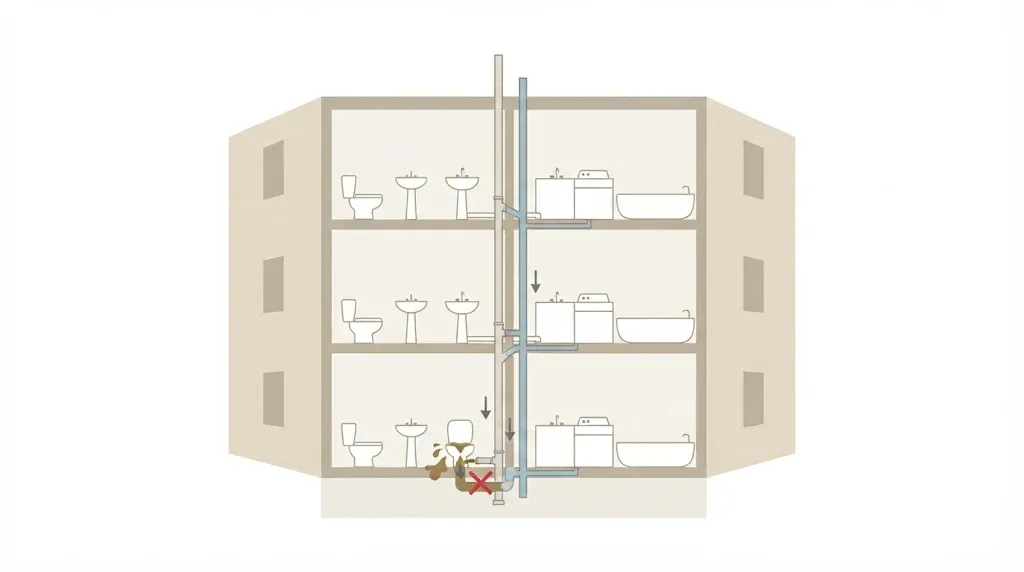
- A clog in a shared stack affects every unit above it, but the mess shows up at the bottom.
- Shutting off water for one repair can mean shutting off a whole building or wing if unit valves are missing or stuck.
- A leak in one unit damages neighbors, so a small repair becomes several insurance claims.
- Many complexes have one master meter, so a running toilet in one unit raises the bill for the owner, not the tenant.
What Counts as a Plumbing Emergency in an Apartment?
Active leaks, sewage backups, no water, a burst pipe, a gas smell or no hot water for the building are emergencies. A slow drain can wait for business hours.
When in doubt, treat water coming through a ceiling as an emergency. Every hour it runs, it soaks more drywall and insulation. Our guide on what counts as a plumbing emergency in El Paso has more examples.
Texas Repair Rules Property Managers Need to Know
Texas law requires a landlord to make a diligent effort to repair a condition that materially affects the health or safety of an ordinary tenant once the tenant gives notice and is current on rent. Plumbing problems like sewage backups, major leaks and no water fall into that group.
Hot water has its own rule. Texas requires landlords to provide and maintain a device that supplies hot water at a minimum of 120°F. A broken water heater is not a problem to leave for next week.
There is no set number of days for every repair, but the law treats seven days as a reasonable time in most cases, and urgent problems should be handled much faster. Our post on landlord responsibility for plumbing in Texas covers who pays for what, including damage tenants cause. This article is general information, not legal advice. Talk with your attorney about your leases.
Build an Emergency Plan for Every Building
Most of the damage in an apartment leak happens in the first hour, before someone finds the right valve. A short plan fixes that.
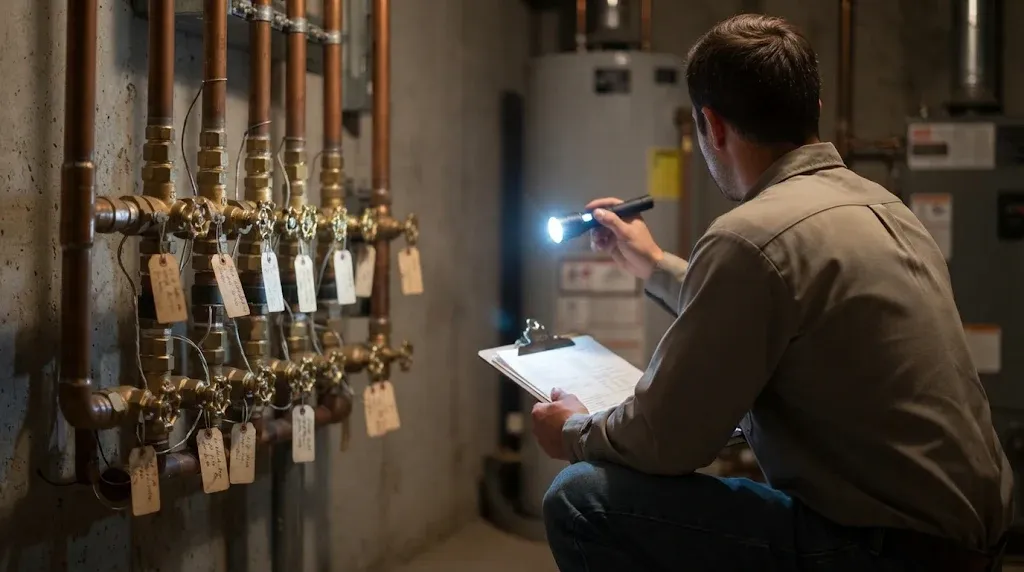
- Map every shut-off. Mark the main, each building or wing shut-off, risers and the valves in each unit. Put photos in your maintenance app or a binder.
- Exercise the valves. Turn each valve once a year. Valves that never move seize, and you find out during a leak.
- Label everything. Tag valves and water heaters with the units they serve.
- Give tenants simple instructions. Show them where the toilet and sink shut-offs are at move-in. Our guide on finding the main water shut-off valve can help staff learn the layout.
- Line up a 24/7 plumber before you need one, with access info and gate codes on file.
- Keep spare parts. Flappers, fill valves, wax rings, supply lines and cartridges for your most common faucets cut repeat trips.
Preventive Maintenance Schedule for Apartment Complexes
Monthly
- Walk mechanical rooms and check central water heaters, boilers and pumps for leaks and rust.
- Check vacant units for running toilets and drips.
- Review the water bill. A sudden jump usually means a running toilet or hidden leak.
Quarterly
- Check water heater relief valves and drain pans.
- Inspect cleanouts and the area around the main sewer line for signs of backup.
- Clean faucet aerators in common areas. El Paso’s hard water clogs them quickly.
Yearly
- Flush tank water heaters to clear hard water sediment.
- Jet the main drain lines and camera them if you have repeat backups. Our guide to sewer camera inspection explains what the camera shows.
- Test backflow assemblies on irrigation, fire sprinkler and boiler lines. See our guide to backflow testing in El Paso for the rules.
- Exercise every shut-off valve and replace any that leak or stick.
Make-Ready Plumbing Checklist for Unit Turnover
Turnover is the best time to fix small problems before the next tenant moves in.
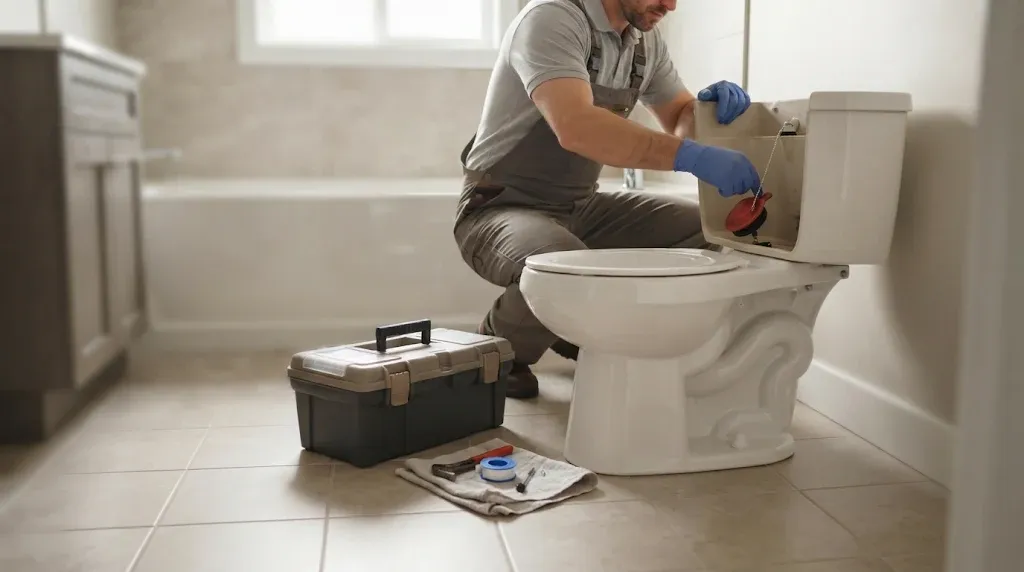
- Replace toilet flappers and check for running water. Rock the toilet to check the wax ring.
- Run every faucet, tub and shower, and look under sinks for drips and water stains.
- Check the water heater age, the relief valve and the drain pan. Plan a replacement if it is near the end of its life.
- Snake or clean slow drains instead of leaving them for the new tenant.
- Check the caulk around tubs and showers to stop water from getting into the floor.
- Make sure shut-off valves under sinks and toilets turn and seal.
Should Apartments Use Water Leak Sensors?
Yes, especially near water heaters, laundry hookups and in vacant units. Sensors send an alert before a slow leak soaks the floor and the ceiling below.
For bigger buildings, a smart shut-off valve on each building feed can stop a burst pipe on its own. Our guide to smart water leak detectors compares the main types.
El Paso Factors That Affect Apartment Plumbing
Hard water. Scale shortens the life of water heaters, clogs aerators and wears out toilet fill valves. Complexes with central water heaters should flush and inspect them more often than the manual suggests.
Slab foundations and caliche. Most local complexes are built on slabs over caliche soil. Water lines under the slab can leak for weeks before anyone sees it, and sewer lines can shift and sag.
Occasional hard freezes. Freezes are rare here, but when they come, exposed pipes on breezeways, stairwells and outdoor water heater closets crack. Insulate them before winter.
Monsoon storms. Heavy summer rain can overwhelm roof drains and back up storm lines into ground-floor units if they are not kept clear.
How to Cut Down on Tenant-Caused Clogs
- Give a one-page list at move-in: no grease, wipes, paper towels or feminine products in drains or toilets.
- Put a sink strainer and a grease can in every kitchen at turnover.
- Ask tenants to report drips and slow drains right away, and make reporting easy through your app or portal.
- Respond quickly. Tenants who see fast repairs report problems sooner, which keeps small leaks small.
Commercial Plumbing for El Paso Apartment Complexes
Paso Plumbing works with property managers and owners of apartment complexes, duplexes and rental portfolios across El Paso, Horizon City and Socorro. We handle emergency calls around the clock, make-ready repairs, water heater replacements, main line jetting, camera inspections and slab leak detection. Call (915) 200-8525 to set up service for your properties.
Apartment Plumbing FAQs
Who is responsible for a leak from the upstairs apartment?
The landlord usually repairs the pipe or fixture that leaked. If a tenant caused it through misuse, the cost may shift to them, depending on the lease and Texas law.
How often should apartment water heaters be flushed?
In El Paso’s hard water, flush tank water heaters at least once a year. Central commercial units serving many apartments often need flushing every six months to control sediment.
What causes sewage to back up into a ground floor apartment?
A clog in the shared main forces waste up through the lowest drain, which is often a ground floor tub or shower. Grease, wipes and tree roots are common causes.
How can I lower the water bill for my apartment complex?
Fix running toilets, replace worn flappers at every turnover, add leak sensors, and watch monthly usage. A sudden jump almost always points to a running toilet or hidden leak.
Do apartment complexes need backflow testing?
Usually yes. Fire sprinkler, irrigation and boiler lines have backflow assemblies, and El Paso Water requires each assembly to be tested every year by a TCEQ-licensed tester.
What should a property manager do first when a pipe bursts?
Shut off water to the unit, riser or building, then call a 24/7 plumber. Move tenants’ belongings away from the water, take photos for insurance, and notify affected units.
How long does a landlord have to fix a plumbing problem in Texas?
Texas law expects a diligent effort within a reasonable time after notice, often treated as seven days. Emergencies like sewage, major leaks and no water need much faster response.
Should every apartment have its own water shut-off valve?
It helps a lot. Unit valves let maintenance stop a leak without shutting down the whole building. Older complexes without them can add valves during remodels or repiping.
What plumbing should be checked during a make-ready?
Check toilets for running water and loose wax rings, test every faucet and drain, look for leaks under sinks, and inspect the water heater, relief valve and drain pan.
Why do apartment toilets keep clogging?
Most clogs come from wipes, paper towels and too much toilet paper. Low-flow toilets, sagging drain lines or a partial clog further down the stack can also cause repeat clogs.
The Bottom Line
Most apartment plumbing problems come from clogs, leaks between units, water heaters and main line backups, and shared pipes make each one spread. Map every shut-off, line up a 24/7 plumber, respond fast to repair notices, and follow a yearly maintenance plan. In El Paso, add extra attention to hard water scale, slab leaks and freeze protection.