
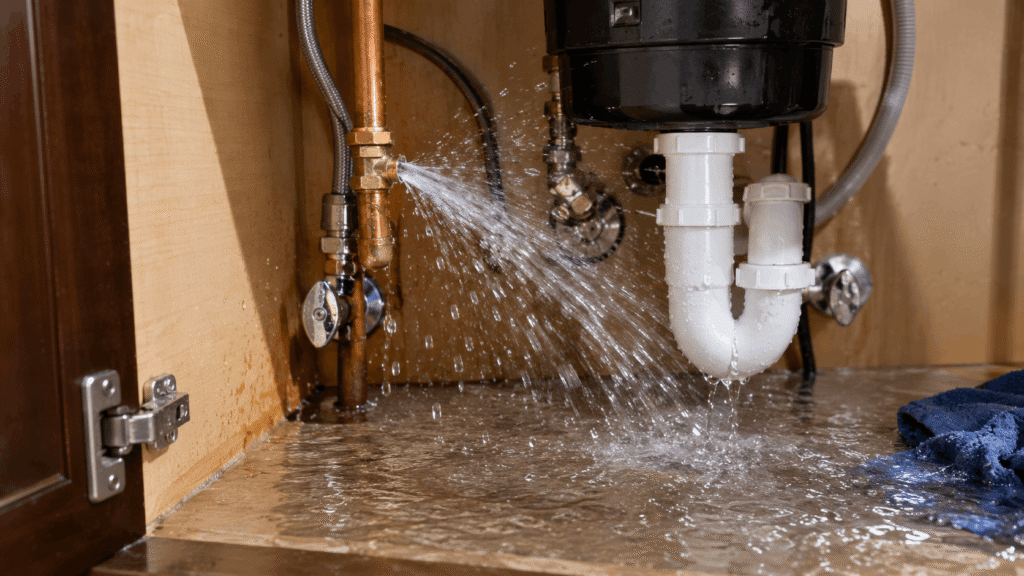
A plumbing problem is a true emergency when it’s actively spreading water damage, exposing your home to sewage, creating a safety hazard, or cutting off an essential service like your only water supply or usable toilet. Burst pipes, uncontrolled leaks, sewer backups, and sudden whole-home water loss usually can’t wait. A dripping faucet, one slow drain, or a running toilet almost always can – the question isn’t just what broke, but whether the risk is actively getting worse right now.
For an El Paso homeowner, the same type of problem can carry very different urgency. A clogged toilet in a home with a second working bathroom isn’t the same situation as sewage overflowing from your only one. This guide walks through how to tell the difference – and when to call an emergency plumber versus schedule a routine visit.
The 5 Questions That Tell You If It’s an Emergency
1. Is water actively spreading? A few contained drops under a sink is different from water moving into floors, walls, cabinets, or ceilings. Active spread raises urgency because the affected area keeps growing while the source stays open.
2. Can it be stopped? A problem is manageable when you can isolate the fixture and the water stops. If it keeps escaping and can’t be contained, the risk climbs fast – the ability to stop the source is one of the clearest lines between a repair and an emergency.
3. Is sewage involved? Wastewater coming back through a toilet, floor drain, shower, or other fixture is a sanitation issue, not a slow-drain issue – a backup reaching occupied space shouldn’t be treated the same as a normal clog.
4. Is there a safety risk? Water near electrical equipment, a ceiling going soft and unstable, or a suspected gas leak is more than a plumbing problem. A suspected gas smell should mean evacuating and calling the gas utility or emergency services – not scheduling a plumbing visit.
5. Has an essential service been lost? A whole-home water outage, a sewage backup, or losing your only usable toilet raises urgency fast. One clogged sink with other fixtures still working usually gives you more room to schedule a repair.
Emergency, Urgent, or Routine?
| Level | What It Means | Example |
| Emergency | Waiting risks safety, contamination, or fast property damage | Sewage entering the home |
| Urgent | Needs prompt repair, but the problem is controlled | Only usable toilet is clogged without overflow |
| Routine | Stable and containable | Dripping faucet or one slow drain |
Emergency means waiting creates a meaningful risk of rapid damage, contamination, or danger to people – a burst pipe actively flooding the home, sewage entering a living area, or water reaching an electrical hazard. Urgent needs attention soon but the situation is controlled – a non-working toilet in a one-bathroom home, no hot water without a leak, or a problem that’s clearly getting worse but not yet dangerous. Routine problems – a dripping faucet, one slow drain, low flow at a single fixture – can generally wait for normal service hours as long as they stay contained.
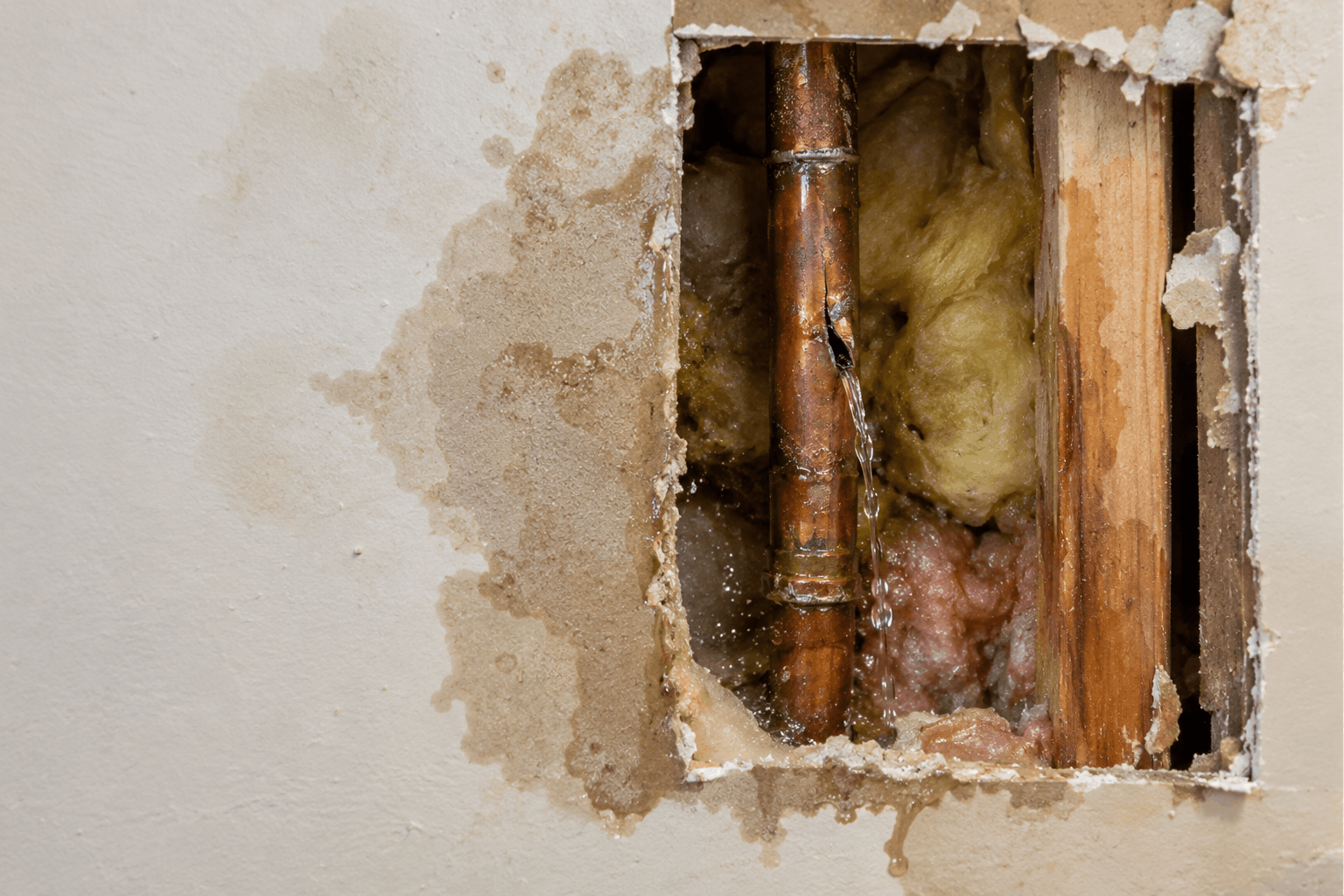
Which Problems Usually Count as Emergencies
Burst pipes. Water can spread into walls, ceilings, flooring, and cabinets within minutes. Even a partly hidden break – a sudden rush of water, wet drywall, fast-growing stains – points to a serious supply-line failure that needs immediate attention, not a next-week appointment.
Major leaks. A few contained drops under a sink isn’t the same as water spreading across a floor or coming through a ceiling. It becomes an emergency once it can’t be controlled, the affected area keeps growing, or it threatens building materials or nearby electrical equipment.
Sewage backups. Wastewater through a toilet, shower, or floor drain is a sanitation concern that can affect more than one part of the system – gurgling fixtures, sewage odors, or water rising in another drain often point to a deeper sewer-line problem.
Overflowing toilets. A clogged toilet isn’t automatically an emergency – if water stays in the bowl, the toilet can go unused, and another bathroom works, it’s more likely an urgent toilet repair. It becomes an emergency once wastewater spills onto the floor, the overflow can’t be controlled, or there’s no other usable toilet in the home.
Multiple backups. One slow sink usually points to a local drain issue. Several drains or toilets backing up at once often points to a restriction farther down the drainage system – urgency rises further if wastewater starts returning through tubs, showers, or floor drains.
Can a small plumbing leak wait until morning? Sometimes – if it’s contained, not spreading, and creates no safety risk. If water can’t be controlled, starts entering walls or ceilings, or begins damaging the property, that same leak has crossed into emergency territory.
When Water-Supply Problems Cross the Line
A complete loss of running water is more serious than one faucet acting up – if the whole property has no usable water and it’s not a known utility interruption, sanitation, cooking, and toilet use all become difficult fast. Low flow at one faucet doesn’t usually signal a house-wide emergency – a clogged aerator or local restriction is more likely. A sudden major pressure drop across several fixtures deserves more attention, especially alongside wet areas, unusual water sounds, or other signs of a hidden supply leak – the location of the change (one fixture vs. several vs. the whole house) is what actually points to whether it’s local or upstream: the service line, main supply, pressure regulator, or a hidden leak.
If it turns out the outage isn’t your plumbing at all: El Paso Water maintains a live outage map and staffs a 24-hour emergency hotline at 915-594-5775 for water main breaks and other utility-side issues. Check that first if neighboring properties are also affected – it tells you whether you need a plumber or just a wait for the utility crew.
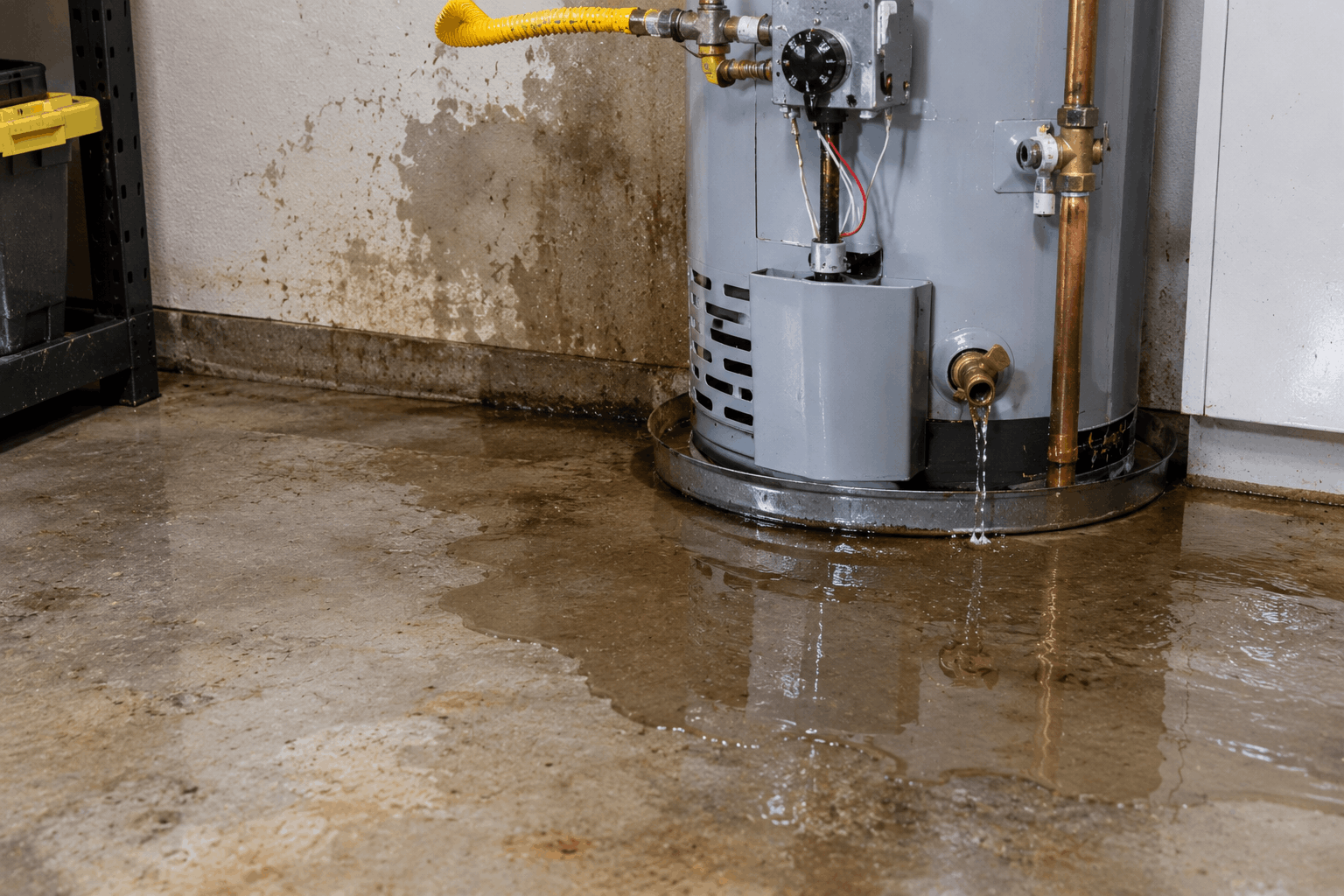
When a Water Heater or Slab Leak Becomes an Emergency
No hot water alone usually isn’t a plumbing emergency – it needs prompt repair, but the urgency changes once the water heater is actively leaking, water is spreading around the unit, or another safety hazard shows up. A small contained drip and a tank releasing water across the floor are not the same risk – rapid leakage can damage flooring, walls, or stored items fast enough to need same-day service.
Slab leaks need professional diagnosis, but not every early sign means an immediate emergency call. These occur in water lines beneath a concrete foundation and can damage floors and walls as they continue – the situation becomes more urgent once water is actively spreading through flooring, pressure drops suddenly, unexplained wet areas grow, or a hidden leak appears to be causing rapid damage. A faint, stable clue is a diagnostic call; active spreading is an emergency call.
What Usually Doesn’t Need Emergency Service
Dripping faucet – still worth repairing, but not an emergency as long as the water stays in the sink and nothing is leaking into cabinets or walls.
Running toilet – raises your water bill and usually needs a new fill valve or flapper, but if water stays in the tank and bowl with no overflow, it can wait for a scheduled repair.
One slow drain – a single sink, shower, or tub draining slowly usually points to a local restriction. It shouldn’t be ignored, but it can typically be scheduled during normal hours if there’s no sewage backup or problem at other fixtures.
Local low flow – weak flow at one faucet is usually routine: a clogged aerator, fixture valve, or local restriction. Urgency changes if the loss of flow spreads to the whole property or shows up alongside signs of a major leak.
A small, stable leak – doesn’t need emergency service if it stays contained and isn’t threatening walls, flooring, or electrical equipment. The moment it starts spreading, it’s in a different category.
How the Same Problem Can Escalate
A small leak can start as a routine repair and become an emergency once water spreads faster, reaches hidden areas, or can no longer be contained – the name of the problem hasn’t changed, but the risk has. The same logic applies across the board: a clogged toilet stays manageable until wastewater spills onto the floor or another bathroom stops being an option; one slow drain stays local until several fixtures start backing up together, which more often signals a deeper sewer restriction; low flow at one fixture stays local until it drops across the whole property alongside wet areas or running-water sounds; and no hot water stays an urgent repair until the water heater starts releasing water across the floor or develops a separate safety issue.
What Changes the Threshold for an El Paso Property
Property history. El Paso has a genuine mix of older and newer housing – older central and westside properties may still carry cast-iron or galvanized piping, while others have newer materials or previous repairs. The pipe’s actual condition and the specific failure matter more than the neighborhood’s age.
Slab construction. Many El Paso properties are slab-built, so a hidden supply leak may not look like an obvious broken pipe – damp flooring, unexplained pressure changes, or signs of moisture beneath the slab call for closer diagnosis, and it becomes more urgent once that moisture is spreading or damage is increasing.
Gradual problems. El Paso’s mineral-rich water can contribute to scale buildup over time, but that buildup develops gradually – a sudden major pressure loss, burst pipe, or rapid leak shouldn’t automatically get blamed on hard water just because local water contains minerals.
Commercial impact. A single minor fixture issue in an office may stay routine, but a sewer backup in a restaurant kitchen, a loss of working restrooms, or a major leak that halts operations calls for a much faster response – downtime and sanitation risk raise the stakes for restaurants, retail, hospitality, medical offices, and multifamily buildings specifically.
When Should You Call an Emergency Plumber?
Call for emergency plumbing service when:
- Water is actively spreading through ceilings, walls, flooring, or cabinets and the damage is continuing, not staying contained
- Sewage is entering a bathroom, floor drain, shower, or occupied area
- Water is reaching electrical equipment, a ceiling looks unsafe, or another hazard is developing (a suspected gas leak means evacuating and contacting the gas utility or emergency services first – not waiting on a plumbing appointment)
- A complete loss of usable water, your only working toilet, or another essential service has been lost – the same logic applies for a commercial property when a failure creates a sanitation problem or halts operations
Final check – ask yourself:
- Is the problem causing damage right now?
- Is sewage or another health risk involved?
- Is the property unsafe to use normally?
- Will waiting let it get significantly worse?
If the answer to any of these is yes, emergency service is the safer call. If the issue is stable, contained, and creates no immediate safety or sanitation risk, a scheduled visit is usually enough.
Frequently Asked Questions
1. Is water coming through the ceiling a plumbing emergency? Yes. The source may be a leaking supply pipe, a bathroom fixture, or another hidden failure – the urgency is higher because water can spread through insulation, drywall, and wiring areas before the source is even visible.
2. Is a sewage smell an emergency if nothing is backing up yet? Not always, but don’t ignore it. If the smell appears with gurgling drains, rising toilet water, multiple slow fixtures, or visible wastewater, the risk of a sewer backup is higher and faster attention is justified.
3. Are several gurgling drains a plumbing emergency? Not automatically, but several drains gurgling together can point to a larger drainage or sewer-line problem rather than one local clog – if toilets, showers, or floor drains start backing up too, it’s moving toward emergency territory.
4. Who do I call if my entire El Paso home suddenly has no water? First check whether it’s just your property or a wider area – El Paso Water’s outage map and 24-hour hotline (915-594-5775) cover main breaks and utility-side issues. If nearby properties still have water, the problem is more likely a private supply-line or valve issue that needs a plumber.
5. Is an overflowing toilet still an emergency if the water stops rising? If the overflow has stopped and no wastewater reached the floor, it may be controlled rather than active. Urgency rises if it’s your only usable toilet, sewage escaped the bowl, or other drains start backing up at the same time.
6. What if a shutoff valve won’t stop an active leak? A failed shutoff valve makes a leak more serious because you can’t isolate the fixture – if water keeps escaping and spreading, that calls for emergency service. The real issue isn’t the broken valve alone, it’s whether the leak can still be controlled before more damage happens.
7. Can a hidden or slab leak be an emergency without visible flooding? Yes, depending on the signs. It may start as a diagnostic question, but urgency rises when damp areas expand, pressure suddenly drops, you can hear water running with every fixture off, or moisture starts damaging floors and walls.
8. Is water near an electrical outlet or panel a plumbing emergency? Yes. A leak reaching electrical equipment is a safety hazard on top of the water damage – stay away from the area and avoid touching standing water near electrical sources.
9. Does a gas smell near a water heater count as a plumbing emergency? A suspected gas leak is a safety emergency, not a routine water heater call. Leave the area and contact the gas utility or emergency services – don’t treat it as a normal plumbing appointment.
10. When does a plumbing problem become an emergency for a business? Once it stops essential operations, removes usable restrooms, creates sewage exposure, causes active flooding, or makes the property unsafe for staff or customers. A minor fixture issue can stay routine; a loss of sanitation or ongoing property damage usually can’t.
Get Help When the Problem Can’t Wait
If a plumbing problem in El Paso is causing active damage, a sewage backup, major water loss, or another serious risk, Paso Plumbing (TX License #12051) can assess it and get the right response moving – call (915) 200-8525 any time, or request an estimate for anything that can wait for a scheduled visit.
Sources: El Paso Water – Outage Map and 24-hour emergency hotline information (epwater.org); Paso Plumbing company information as published on pasoplumbing.com.